AI Tools

AI Tools for Builders

AI tools. Sorted by what actually ships.

UX MagicUX Magic logo
Design

UX Magic

UXMagic.ai is an AI UI design generator that turns text prompts, hand-drawn sketches, screenshots, and URLs into high-fidelity, Figma-ready UI designs in seconds. It is used by 50,000+ designers, product managers, and startup teams worldwide to design and ship 10x faster. The tool supports multiple input types, exports to Figma, HTML, React, and Webflow, and integrates with existing design systems. It offers a free plan with 30 credits and paid subscription plans.

AI UI generatorFigmadesign+12
Splutter AISplutter AI logo
Customer Support

Splutter AI

Splutter AI is a sophisticated AI chatbot solution designed to automate customer interactions, enabling businesses to improve support, marketing, and sales without extensive coding. It offers omnichannel engagement via web, SMS, WhatsApp, Messenger, Slack, and more, with features like prompt engineering, bot debugging, customizable layouts, and modular configuration. Integrates with OpenAI, Notion, Slack, Stripe, Anthropic, Calendly, WhatsApp, Zapier, Messenger, Google, WordPress, Webflow, Bubble.io, and more.

AI chatbotcustomer supportlead generation+7

New tools, daily.

The best AI tools in your inbox. 7am. Free.

AveriAveri logo
Marketing

Averi

Averi is an AI-powered content marketing workflow built for startups. It combines research, drafting, publishing, and analytics into one platform, helping teams create SEO and LLM-optimized content that ranks on Google and gets cited by AI. The tool automates content strategy, topic research, drafting, collaboration, and performance tracking, reclaiming over 10 hours per week. It integrates with Webflow, Framer, WordPress, and Google Analytics.

AI content enginecontent marketingSEO+7
EsyBlogEsyBlog logo
Content Marketing

EsyBlog

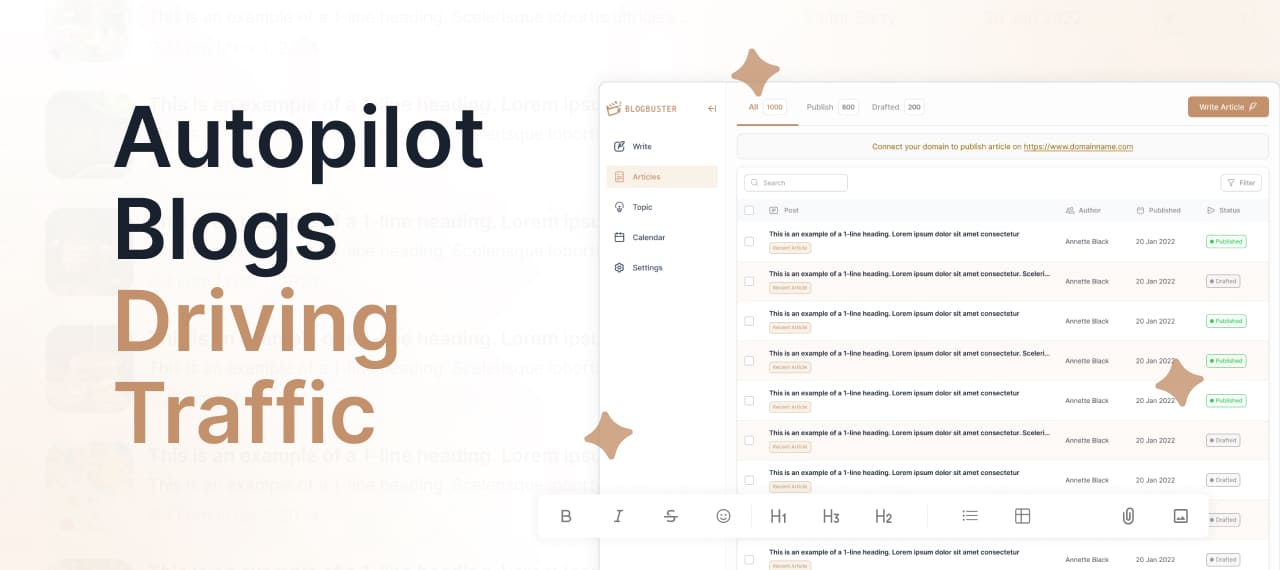
EsyBlog is a content engine for SEO teams that turns spreadsheets or databases into publishable articles. It connects to data sources like CSV, Google Sheets, Airtable, Postgres, MySQL, REST APIs, Shopify, and Notion. Users write Jinja-style templates with variables and AI prompts. The narrative model is fine-tuned on licensed editorial prose, producing human-sounding text. It generates visuals from data, integrates with CMS platforms like WordPress, Ghost, Webflow, Sanity, Contentful, and Shopify, and includes a quality gatekeeper that scores articles for reading level, fact density, plagiarism, and AI-detection likelihood. Pricing is subscription-based with three plans, no seat counting, and a free trial of 25 articles.

AI content generationSEO contentbulk article writing+7